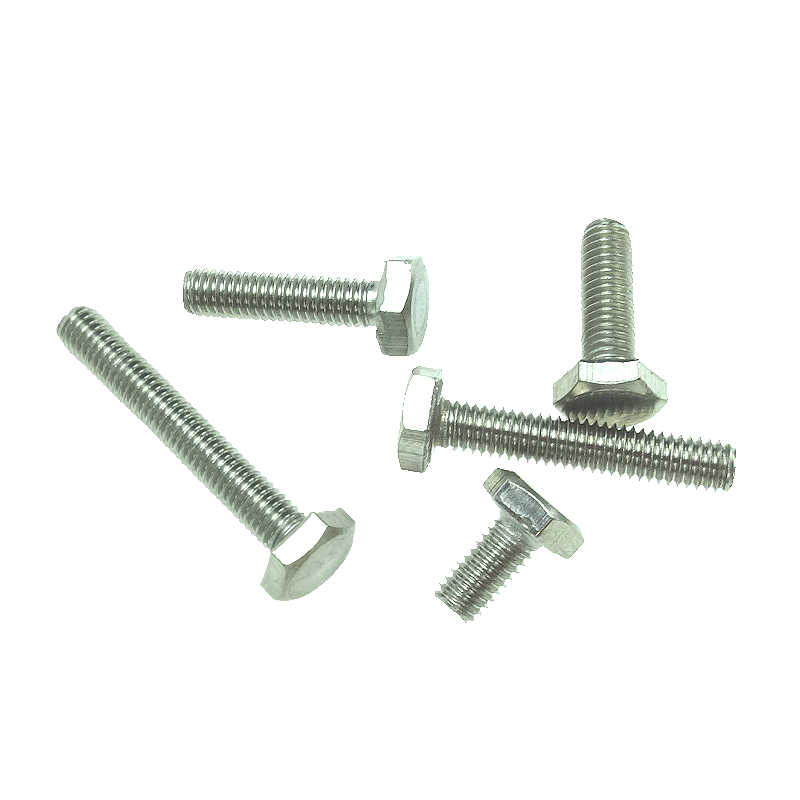
316 Stainless Steel Solar Bolts Manufacturer: A4-80 Marine Grade Bolts for PV Projects
A coastal PV array that looked perfect at handover can show rust streaks on the module rails within two seasons — usually because the fasteners were zinc-plated carbon steel, not stainless. WF Fastener manufactures 316 stainless steel solar bolts — A4-80 hex bolts, carriage bolts, nuts and washers for coastal and offshore PV mounting — with salt spray resistance, galvanic corrosion guidance and documentation that matches project review.
WF Fastener — 316 Stainless Solar Bolts Quick Reference:
- Material: 316 / 316L stainless (UNS S31600 / S31603), ISO 3506 A4 classification
- Property class: A4-80 (800 MPa) standard; A4-70 available for low-hardness service
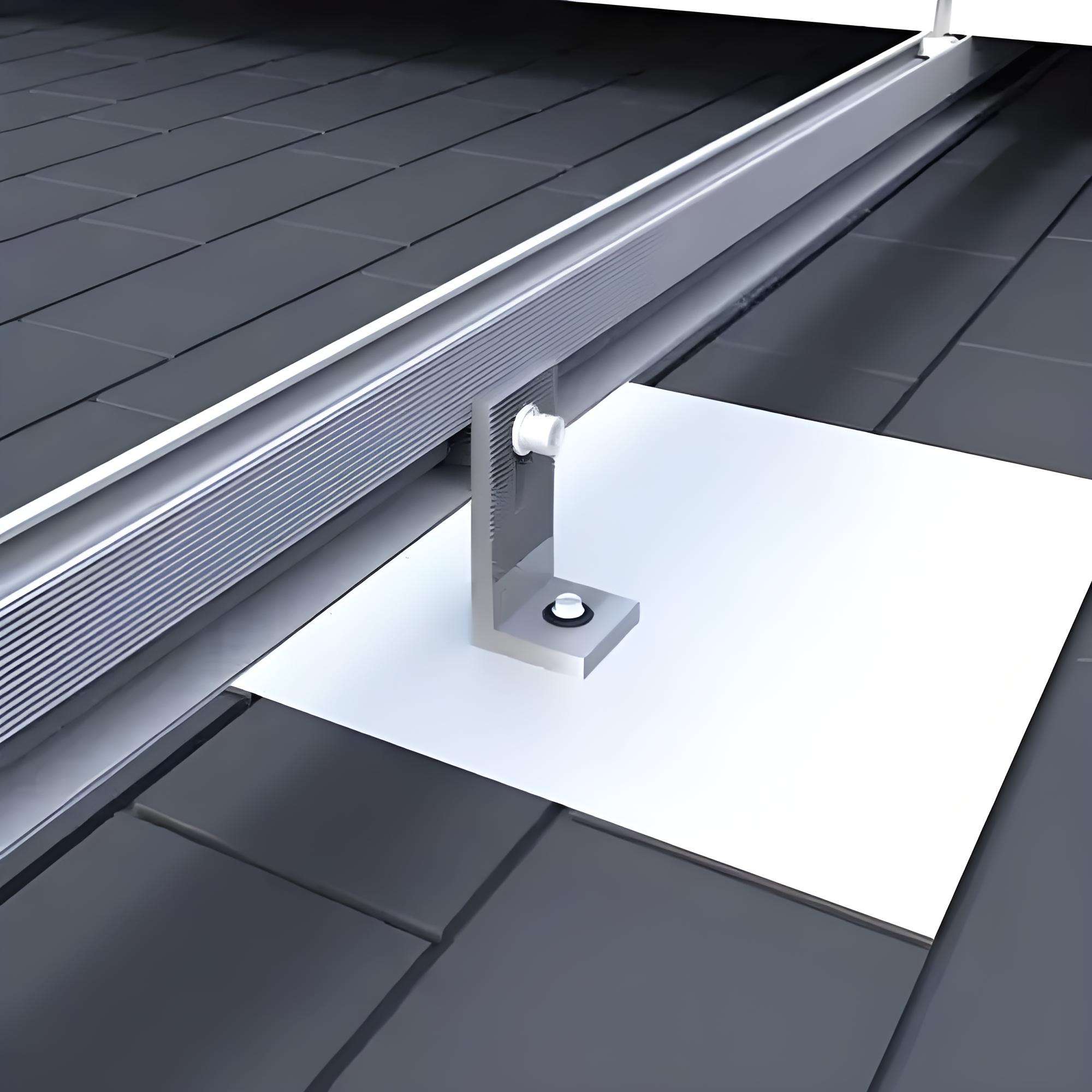
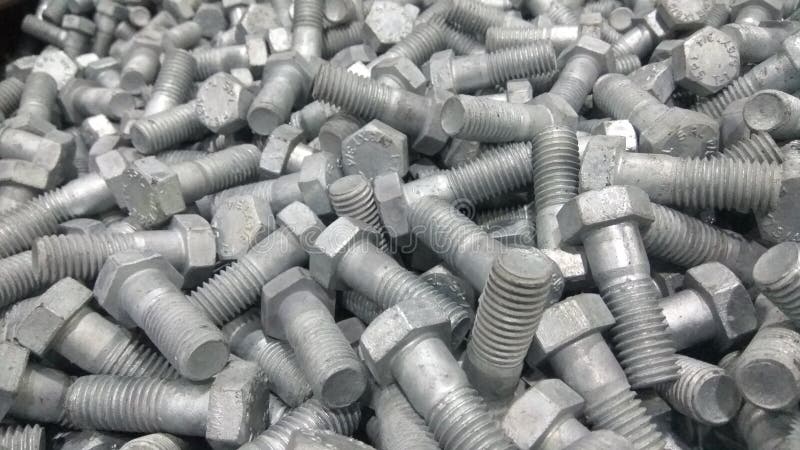
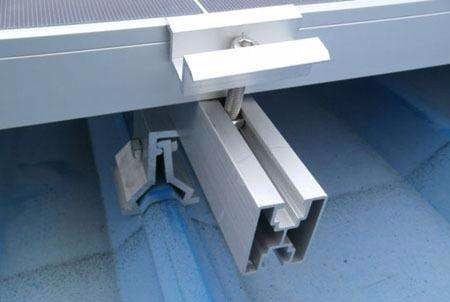
- Products: hex bolts, carriage bolts, flange bolts, nuts and washers for PV rail and clamp assemblies
- Applications: coastal PV plants, offshore platforms, floating solar, agricultural PV, salt-affected sites
- Corrosion resistance: PREN 23–28, chloride and salt spray resistant; verify limits for severe marine immersion
- Certification: material certificate, salt spray test report, dimensional report
Based on our delivery records to North American coastal PV projects, stainless solar bolt acceptance usually hinges on three points: material selection versus coated carbon steel, galvanic compatibility with aluminium rails, and salt spray certification completeness.
When to Specify 316 Stainless for Solar Mounting
North American Coastal and Offshore Focus
For PV projects along the US Gulf Coast, Atlantic seaboard, California coast and offshore installations, 316 stainless steel fasteners are the standard selection to resist chloride-induced corrosion. WF Fastener supplies A4-80 marine grade bolts for coastal PV plants, floating solar platforms and offshore structures across North America, with salt spray testing per ISO 9227 / ASTM B117 and full documentation for project QA/QC inspection.
Most solar mounting systems use hot-dip galvanized or zinc-plated carbon steel, which is cost-effective inland. The switch to 316 stainless is justified when the site is within salt influence — coastal zones, offshore structures, floating PV, or industrial areas with chloride fallout. On these sites, coated carbon steel suffers edge corrosion at cut threads and clamp contact points, while 316 stainless resists the chloride attack that causes rust streaking and pitting.
For inland sites where coated carbon steel remains the economical choice, see our Solar Mounting Fasteners guide. Where hot-dip galvanized bolting is specified for the balance of the plant, our Hot-Dip Galvanized Bolts (HDG) guide covers the coating system, and our Lattice Tower Bolts page covers structure bolting for grid connections. The material decision between galvanized and stainless is a site-specific review, not a default.
A4-80 Property Class and Grade Matching
Stainless bolts for solar mounting are specified to ISO 3506 property classes. A4-80 is the standard high-strength choice for 316 fasteners: 800 MPa tensile minimum, delivered work-hardened. A4-70 (700 MPa) is selected where lower hardness improves resistance to stress corrosion and galling in severe chloride service.
For North American projects, ASTM F593 (alloy group 2, condition CW) is the parallel specification for 316 stainless fasteners; nuts follow ASTM F594. The two systems are interchangeable in practice for this material family, and the project standard decides which certificate language is used.
| Property class | Tensile strength | Typical use |
|---|---|---|
| A4-70 (ISO 3506) | 700 MPa min | Coastal service, low-hardness, SCC-sensitive applications |
| A4-80 (ISO 3506) | 800 MPa min | Standard marine solar bolting, high clamp load |
| ASTM F593 CW (316) | 90–110 ksi typical | North American project equivalents |
The nut must be matched to the bolt class — A4-80 bolts with A4-80 nuts, hardness-compatible to avoid galling during assembly.
Galvanic Corrosion with Aluminium Rails
316 stainless in direct contact with aluminium mounting rails creates a galvanic couple. In dry or inland conditions the couple is manageable; in salt-laden coastal conditions the aluminium side becomes the anode and can suffer accelerated corrosion unless the joint is designed correctly:
- Isolate the couple — use stainless washers or approved isolating washers between the stainless bolt head and the aluminium rail
- Seal the joint — a thin layer of approved anti-seize or sealant reduces electrolyte bridging
- Avoid mixed metals in one clamp — do not pair stainless bolts with galvanized plates in the same wetted joint
- Verify with the rail supplier — rail coating systems (anodized, PVF) change the galvanic behavior; confirm compatibility for the project location
Getting this wrong is the most common field failure in coastal stainless solar systems — the bolts survive, but the rail corrodes around them.
Salt Spray and Corrosion Verification
Coastal project specifications commonly require salt spray testing per ISO 9227 (neutral salt spray) or ASTM B117, with acceptance criteria agreed for the bolt finish. Our standard for stainless solar fasteners:
- Salt spray test — documented per lot on representative samples per ISO 9227 / ASTM B117; typical acceptance for coastal service is 500–1,000 hours neutral salt spray (NSS) without red rust, with specific hours defined in the RFQ
- Material verification — PMI check confirming 316 / 316L grade on receipt, with heat numbers recorded
- Surface condition — passivated surface, free of contamination and free-iron marking; bright or matte finish per project preference
- Thread fit — verified with calibrated gauges; anti-seize pre-applied where the project specifies
WF Fastener Manufacturing and Quality Control
WF Fastener produces 316 stainless solar bolts on a controlled line:
- Material control — 316 / 316L bar stock from certified mills, with heat numbers and PMI verification on receipt
- Cold heading and rolling — bolts cold-formed with rolled threads to A4-80 property class; thread fit verified with calibrated ring/plug gauges
- Passivation — passivated surface to remove free-iron contamination, verified per lot
- Laboratory inspection — tensile, hardness, dimensional and salt spray testing per project scope, with results in the certificate package
- Traceability — heat number and lot traceability from raw bar to finished batch, supported by material certificates
WF Fastener also supplies fasteners for the broader renewable energy sector, including wind turbine and grid infrastructure projects across North America.
Common Specification Mistakes in Stainless Solar RFQs
Most delays in stainless solar bolt orders trace back to three omissions:
- Property class not stated — "316 bolts" alone does not define A4-70 versus A4-80. State the property class and the standard (ISO 3506 or ASTM F593).
- Galvanic isolation not addressed — the RFQ covers the bolt but not the washer and isolation requirement. Specify the full assembly: bolt + nut + washer, with isolation where aluminium rails are used.
- Salt spray acceptance not defined — "marine grade" is not a test. State the test standard (ISO 9227 / ASTM B117) and the acceptance hours at RFQ stage.
Providing these items at RFQ stage reduces clarification cycles during technical review.
FAQ
Q: What stainless steel bolts are used for solar panels?
A: Coastal and marine solar projects commonly use 316 / 316L stainless bolts in A4-80 property class (ISO 3506) or the ASTM F593 equivalent, with matching A4-80 nuts and stainless washers.
Q: Can 316 stainless bolts be used with aluminium rails?
A: Yes, with proper galvanic design — isolating washers or sealing between the stainless bolt and aluminium rail, and avoidance of mixed-metal wetted joints. In severe coastal service, confirm the joint design with the rail supplier.
Q: What certificates do you provide?
A: Material certificates with mechanical properties, PMI reports, salt spray test reports and dimensional inspection reports, prepared per lot. Third-party inspection with witness is available where the project requires.
Q: What is the minimum order quantity?
A: Common sizes start from about 20,000 pieces depending on size, with project-specific quantities quoted by requirement. Send the BOM and our team will confirm the MOQ and lead time within one working day.
Get your 316 stainless solar bolt quote within one working day — simply reply with:
- Size & property class (e.g. M8 x 25 A4-80 or 5/16" x 1" F593 CW)
- Quantity & coating (e.g. 150,000 pcs, passivated)
- Certificate scope (e.g. MTC + salt spray report)
Download the stainless solar bolt specification checklist — material, property class, galvanic isolation and test requirements.
Request sample kits — evaluate thread fit, surface finish and salt spray documentation before ordering.
Direct WhatsApp engineering support: [+1 XXX XXX XXXX] — send the PV BOM or project inquiry directly to our North American team.
Related guides: Solar Mounting Fasteners · Hot-Dip Galvanized Bolts (HDG) · Lattice Tower Bolts · Renewable Energy Fasteners